
The daily labor of nurturing, cleaning, teaching, and sustaining families and communities usually falls on women. Care work is the foundation of every economy, yet often remains undervalued, underpaid, and invisible. Women’s Learning Partnership (WLP) Partners are working to make care visible, reframing the concept as more than just a private responsibility, but a shared commitment to a more equal and just world.
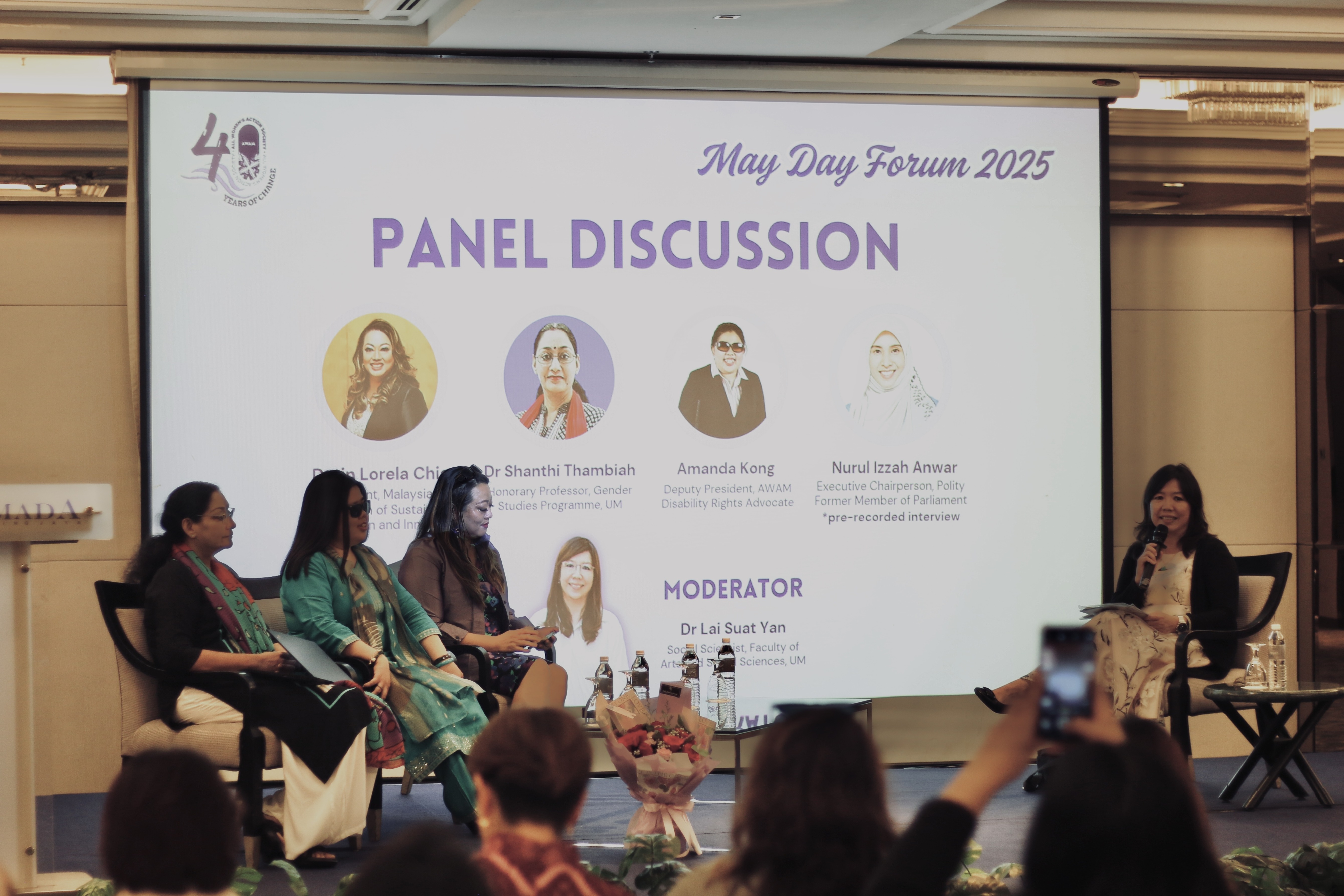
AWAM's May Day Forum
AWAM (Malaysia): Navigating Motherhood and Careers
In Malaysia, AWAM is working to bring awareness to the vital roles women play at home and in the workplace. Through dialogues, advocacy, and policy engagement, AWAM calls for care work to be recognized as both a social responsibility and an economic issue. This year, AWAM held multiple events calling for greater recognition of the care economy and more structural support for women. Their May Day Forum, celebrating their 40th anniversary, provided an opportunity to foster dialogue on the systemic barriers women face and advocate for supportive workplace policies. AWAM also hosted a forum titled From Boardrooms to Homefront: Women Leaders on Navigating Work, Leadership, and Caregiving, where women from a variety of professions explored their personal journeys, sharing challenges they’ve faced and strategies they’ve used in balancing leadership and caregiving.
“We talk about productivity and growth, but we ignore the invisible backbone – the women holding it all together,” emphasized Nurul Izzah, a participant of the forum and former member of the Malaysian Parliament.
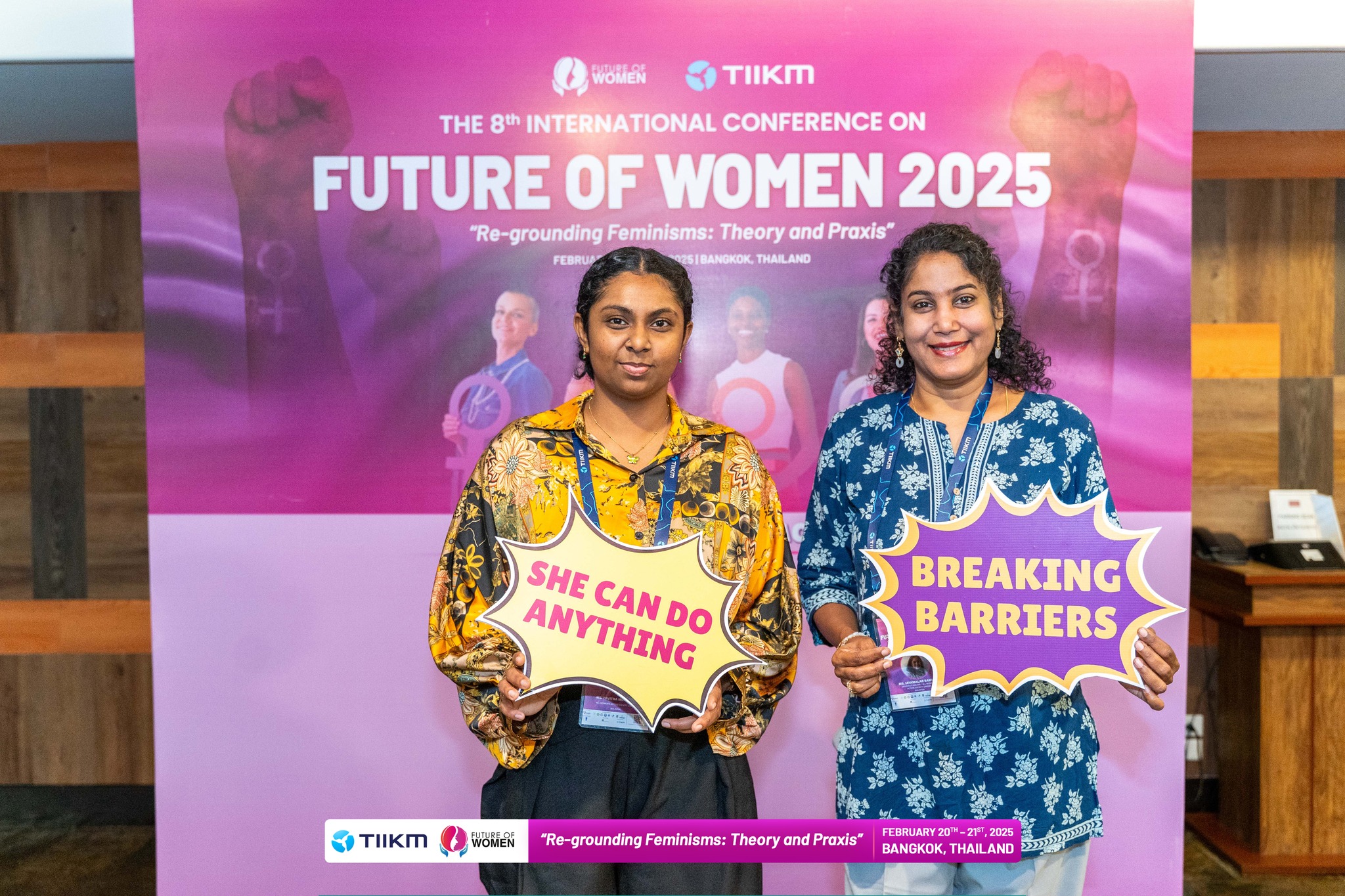
AWAM at the Future of Women Conference in Bangkok
Malaysia’s experience mirrors broader regional patterns across Asia, where women’s employment, retention, and leadership are similarly shaped by care burdens, workplace norms, and socio-cultural expectations. AWAM attended the Future of Women Conference in Bangkok, Thailand, to present a study on care work among working mothers. The findings demonstrate that supportive supervisors and a flexible work environment help working mothers manage their responsibilities and their stress levels. AWAM brought a similar perspective to WLP’s Transnational Partners Convening in Casablanca, Morocco where they emphasized that care must be built into organizational cultures, not left to individual resilience. Team norms, leadership behaviors, and organizational policies must reflect care values and support caregivers. Organizations with family-friendly policies including parental leave, childcare support, and flexible schedules report higher retention, commitment, and productivity.
Most recently, AWAM partnered with EMPOWER to advocate for “Projek30%,” an initiative pushing for all political parties to ensure that at least 30% of the candidates they put forth are women. Women’s political participation is key to securing family-friendly policies that benefit caregivers and support working women.
Through its advocacy, AWAM is helping shift the narrative: care is not an individual woman’s burden, but a collective societal investment. Recognizing and supporting care work is key to creating workplaces, and communities, where women can thrive as equals.
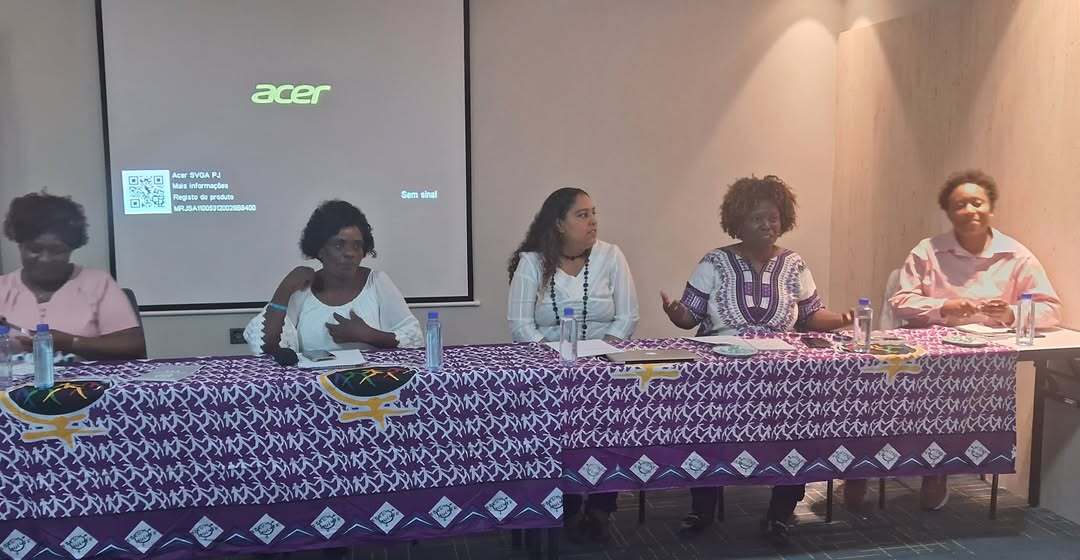
Fórum Mulher panel as part of the Lhaissa Project
Fórum Mulher (Mozambique): From Local Caregivers to National Policy Change
In Mozambique, Fórum Mulher is championing the rights of women caregivers, those who sustain their families and communities but whose work often remains undervalued and unprotected. Through the Lhaissa – We Care project, implemented with Save the Children and funded by the Government of Canada, Fórum Mulher is empowering women who provide early childhood care and education in the Gaza province. In July 2025, the organization held an advocacy training in Maputo with 28 participants from 16 organizations, alongside representatives from the Ministries of Labor, Gender and Social Action, and Education and Culture. Together, they examined the challenges facing early childhood educators and developed concrete policy proposals to improve labor protections, wages, and working conditions for women caregivers.
The Lhaissa project positions women not only as care providers but also as agents of change, strengthening their leadership, legal awareness, and advocacy capacity to transform gender inequalities in the childcare sector. By bringing caregivers and policymakers to the same table, Fórum Mulher is helping ensure that care work is recognized as essential labor, deserving of dignity, protection, and fair compensation.
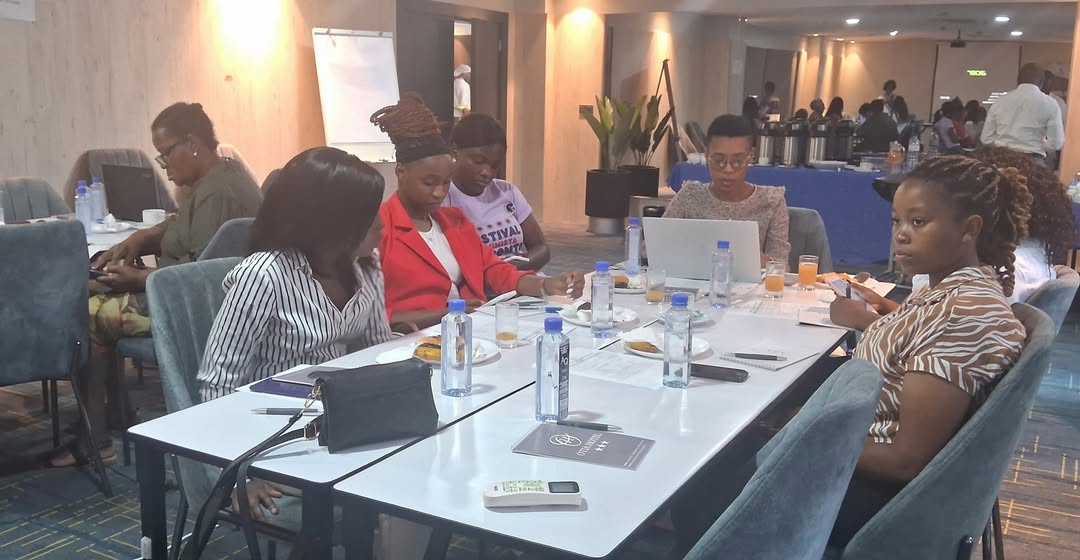
Fórum Mulher training participants developing proposals
Fórum Mulher also celebrated a major policy victory in 2024 with the reform of Labor Law No. 13/2023, which extends maternity leave in Mozambique from 60 to 90 days. This achievement crowns 15 years of persistent advocacy by the organization for stronger labor protections for women. Now, Fórum Mulher is turning its focus to awareness-raising by informing women workers of their new rights and ensuring the law is implemented in practice.
Speaking with Diário Económico, Executive Director Nzira de Deus underscored that supporting women’s care work is essential to advancing economic empowerment: “No one wants to lose power in favor of women,” she said, “but gender equality requires us to share power.” From policy reform to grassroots mobilization, Fórum Mulher continues to build a movement that redefines care work as a cornerstone of equality and sustainable development.
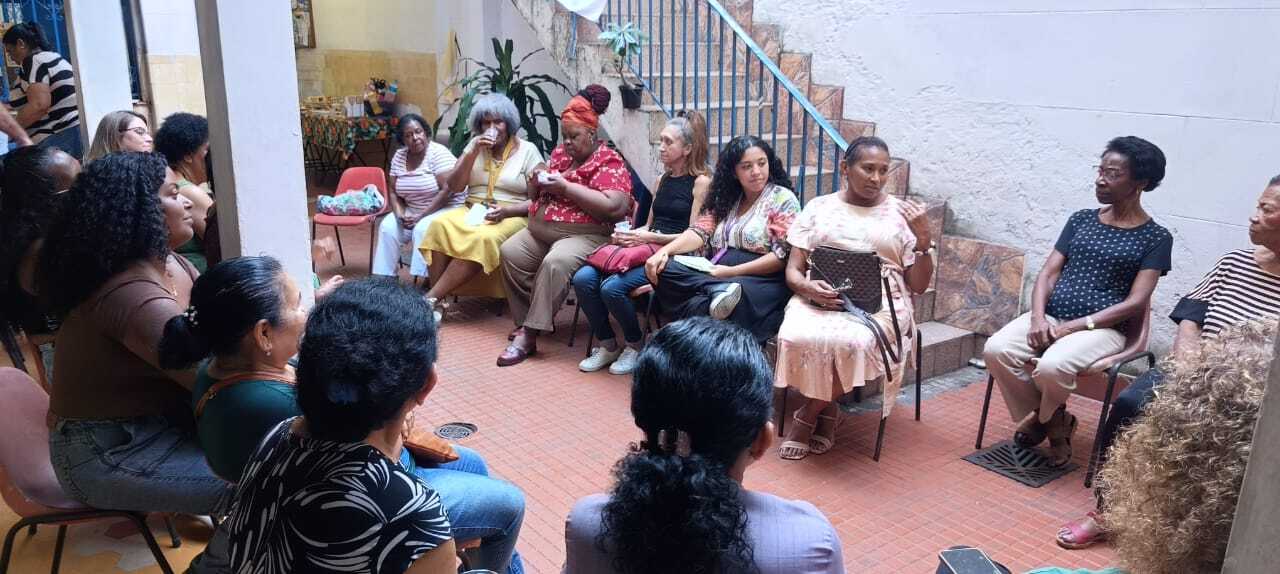
CEPIA workshop with the Domestic Workers Union
CEPIA (Brazil): Centering Care, Connection, and Collective Power
In Brazil, CEPIA continues to deepen national and regional dialogues around care work, economic autonomy, and women’s leadership. This year, CEPIA held a series of workshops under the umbrella Who Takes Care of Those Who Care? – Caring Is Work and Work Has Value, supported by the Ministry of Women and in partnership with the Domestic Workers Union and Social Assistants Union. Bringing together women from different backgrounds, the sessions created a vital space for reflection on the multiple burdens women carry, from paid and unpaid labor to community care, and the lack of recognition and protection for this essential work. The workshops invited participants to discuss mental health, gender-based inequalities in the workforce, and strategies for strengthening networks of solidarity. Through collective listening and mutual exchange, the women identified paths toward improving working conditions, expanding decision-making power, and affirming care work as both labor and leadership.
In August, CEPIA hosted its 13th National Training of Trainers (NTOT) in partnership with the Ministry of Women, bringing together participants from across Brazil, Argentina, Chile, and Mexico. Building on previous trainings, this year’s Regional TOT focused on economic autonomy and care work, a theme that is deeply linked to women’s economic empowerment, leadership, and resistance to gender-based violence. The training also provided a platform to discuss Brazil’s newly approved National Care Policy (Law 15069), a historic step toward recognizing care as a shared social responsibility.
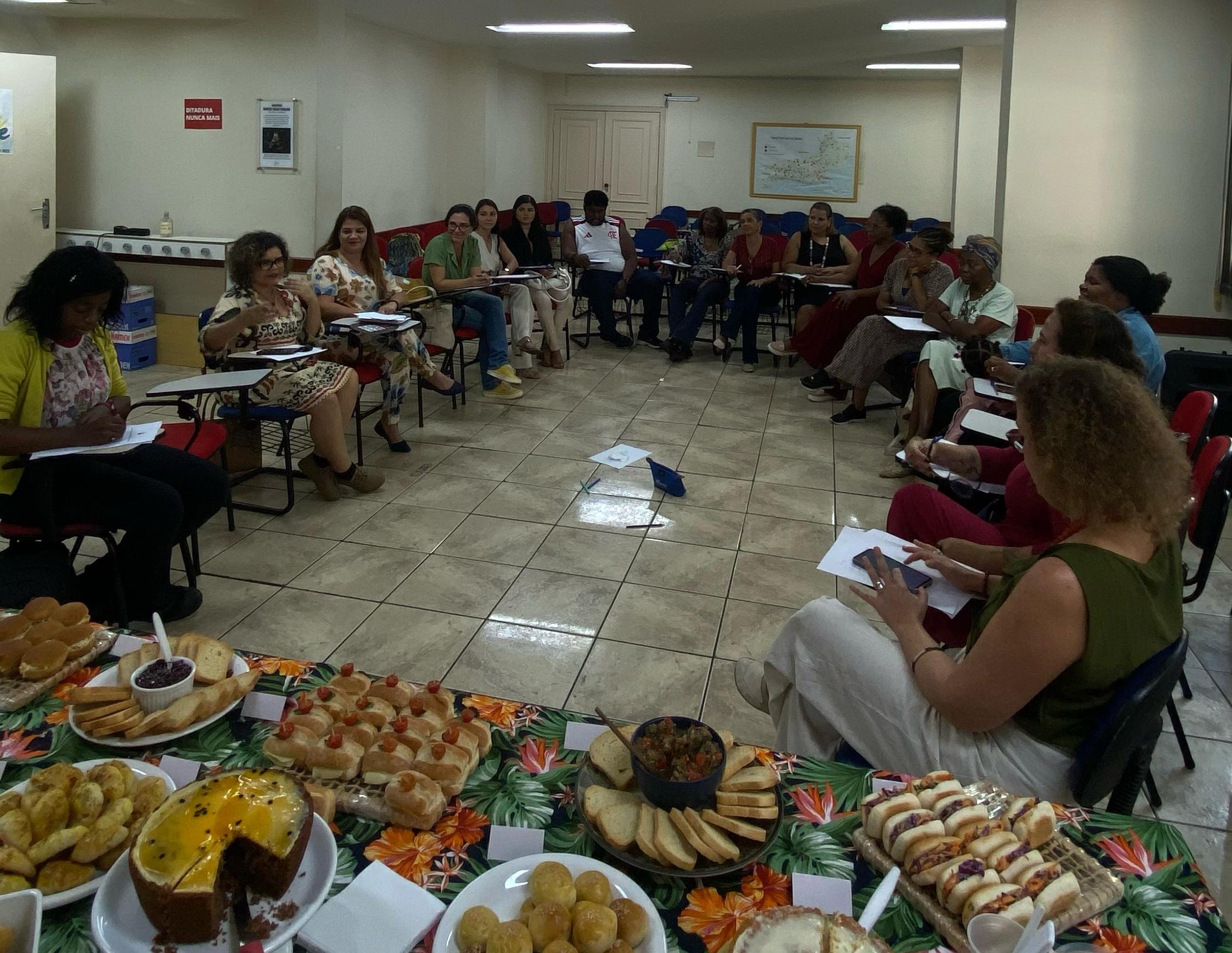
CEPIA workshop with the Social Assistants Union
In a year marked by political polarization and threats to democratic rights, CEPIA’s training offered a feminist space for dialogue, reflection, and strategy. Participants developed action plans on topics ranging from care as resistance to entrepreneurship for peripheral women, and art as advocacy. Several action plans evolved into regional collaborations, including online exchanges among women’s groups in Latin America on strategies to navigate care work, resistance, and economic survival. Former participants from previous years have also been involved in care work discussions since their trainings, two of whom were featured on CEPIA’s latest podcast episode about care work.
From union halls in Rio to virtual exchanges across Latin America, CEPIA continues to affirm that caring is political. By connecting women from diverse walks of life – educators, domestic workers, activists, and artists – the organization is transforming care from invisible labor into a visible force for gender equality and democratic renewal.
Recognizing Care as a Shared Responsibility
Across Malaysia, Mozambique, Brazil, and beyond, WLP partners are challenging the invisibility of care work and demanding that it be recognized, redistributed, and properly supported. Their efforts highlight that women’s unpaid and underpaid labor sustains families, economies, and societies. When societies build fair, inclusive systems valuing care through laws, policies, and shared responsibility, women gain the freedom, dignity, and power to lead change. On this International Day of Care, we honor their work and call on governments, employers, and communities everywhere to invest in care — because caring for women means caring for our collective future.