
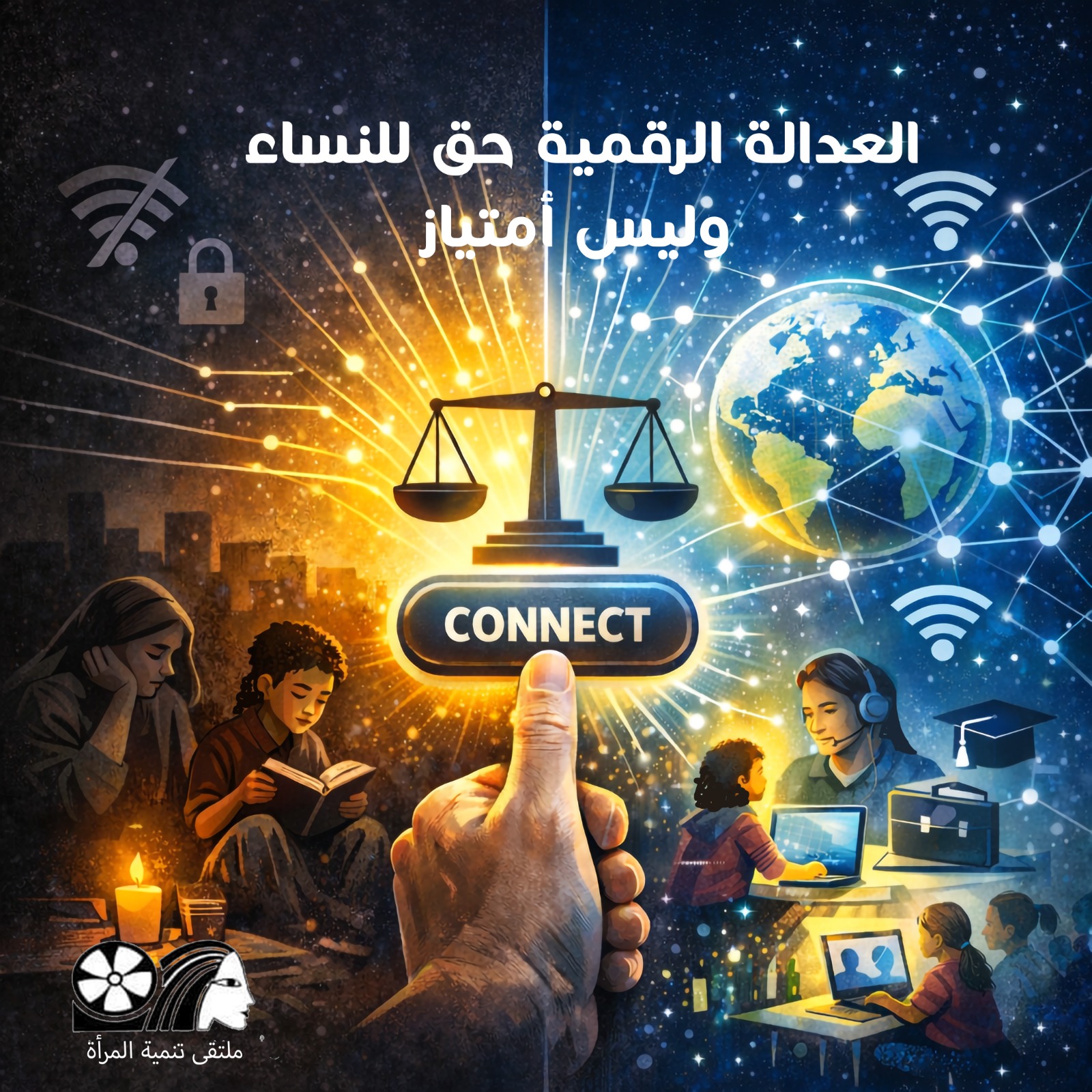
When we think of infrastructure, we often picture roads, water systems, or electricity grids, the physical foundations that make modern life possible.
Today, digital systems play a similarly essential role. From education and healthcare to financial services, government platforms, and social communication, digital infrastructure increasingly shapes how people access opportunities, participate in public life, and exercise their rights.
Like any form of infrastructure, digital systems are not neutral. They reflect the priorities, assumptions, and values of those who design and govern them.
A feminist approach therefore asks not only who can access technology, but whose experiences, rights, and needs are reflected in the systems themselves.
Feminist Infrastructure as a Public Good
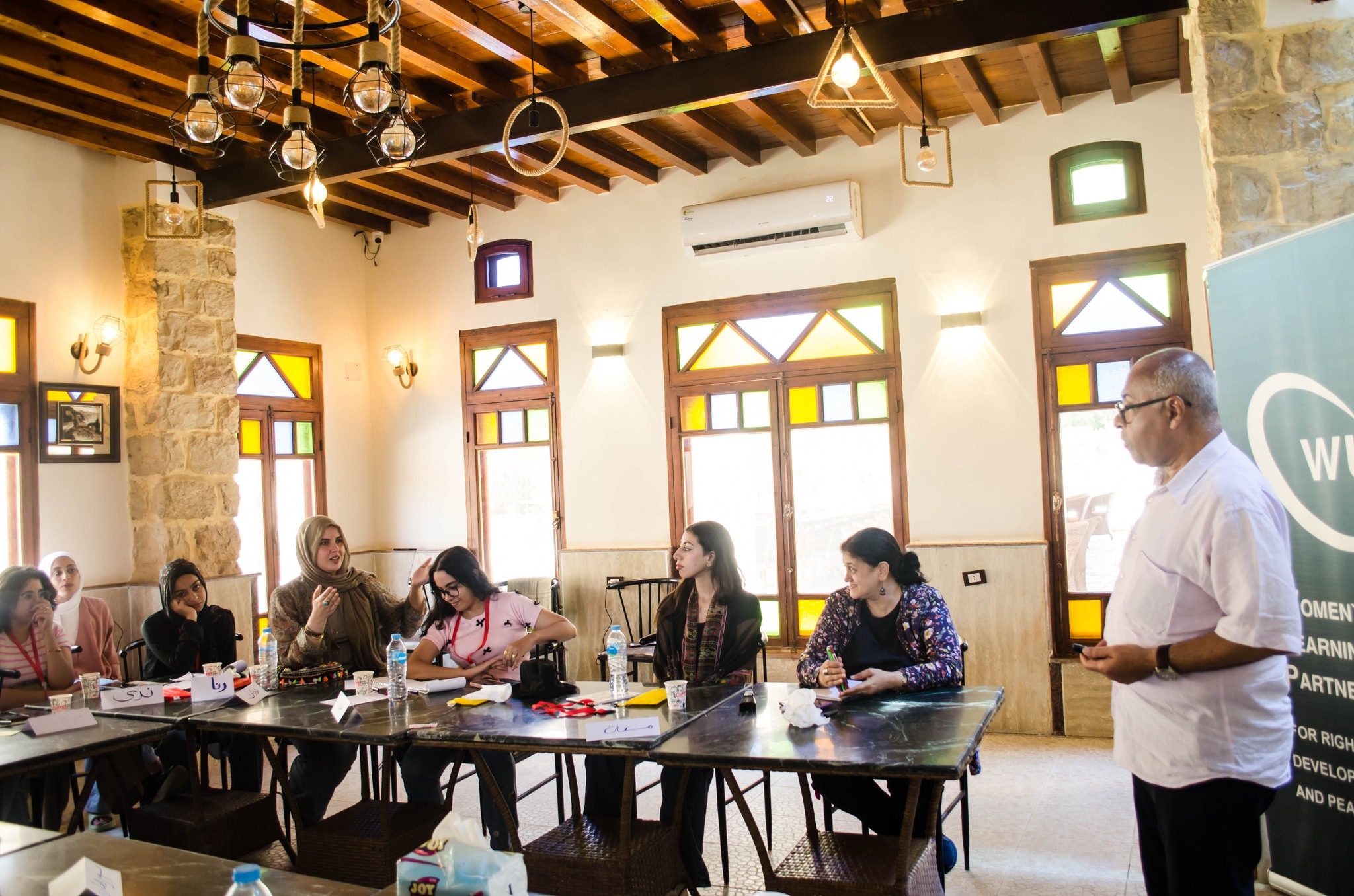
Feminist infrastructure is sometimes misunderstood as infrastructure designed exclusively for women. In reality, it is an approach to building systems that begins with the experiences of those most likely to face exclusion.
By identifying and addressing barriers that affect marginalized communities, feminist infrastructure creates more equitable and effective systems for everyone. Rather than treating exclusion as a side issue, it recognizes it as a structural problem that weakens the system as a whole.
This perspective guides the work of WLP’s partner in Egypt, the Forum for Women in Development (FWID).
From Digital Skills to Digital Empowerment
As Egypt undergoes rapid digital transformation, technology is becoming increasingly central to education, employment, financial services, healthcare, and civic participation.
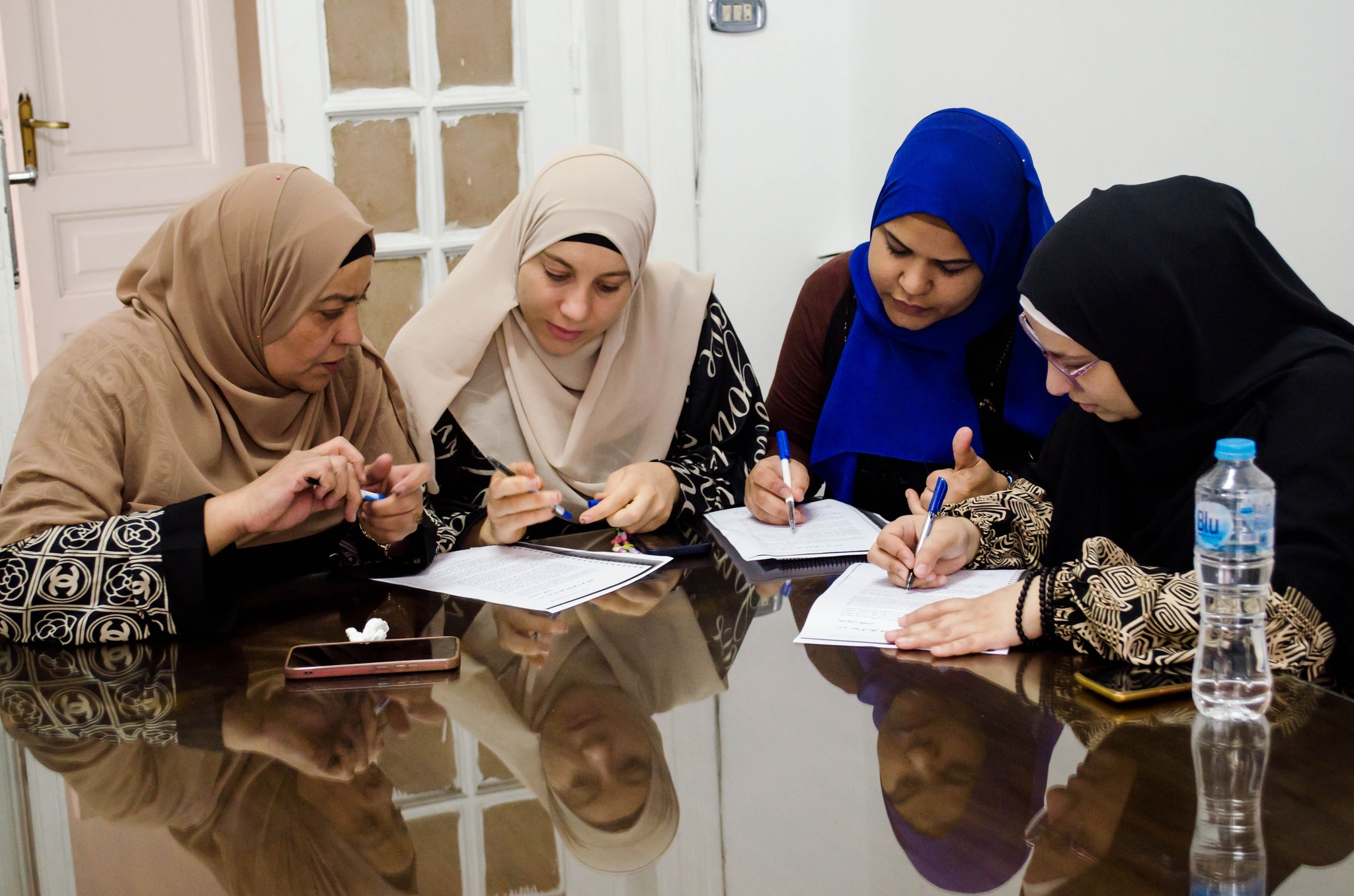
Through consultations with women, youth, civil society organizations, educators, and community leaders across the country, FWID found that access alone does not determine who benefits from these changes. People's experiences with technology are shaped by a range of intersecting factors, including gender, age, education, social status, geographic location, and access to resources.
These findings point to a broader challenge. The digital divide is not simply a matter of skills or connectivity; it is also about whether digital systems are designed to serve people equitably.
"Digital literacy is not a privilege, but a right, and digital empowerment is a comprehensive process that includes accessibility, infrastructure, building trust, and safe usage." - Dr. Enas El-Shafie, Researcher and Executive Director, FWID
For FWID, true digital empowerment means ensuring that women can fully participate in and benefit from digital transformation, not only as users of technology, but as entrepreneurs, leaders, innovators, and decision-makers.
When Inequality Moves Online
The consequences of exclusion become especially visible in digital spaces.
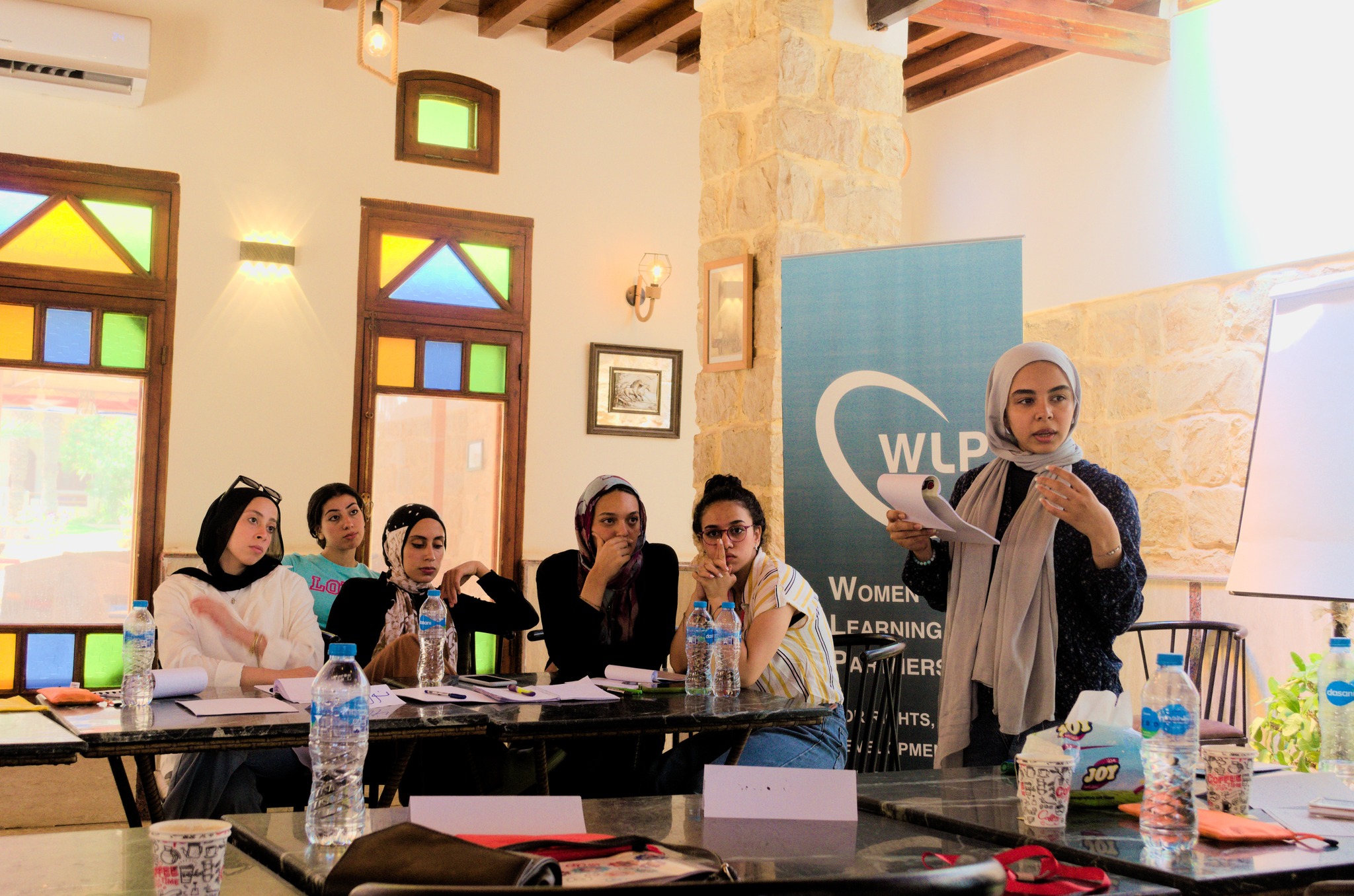
When women and marginalized groups are absent from design and decision-making processes, existing inequalities are often replicated online. In some cases, they become even more pronounced.
Digital technologies have created new opportunities, but they have also introduced new risks. Online harassment, cyberviolence, surveillance, and misinformation can silence women and other vulnerable groups, limiting their ability to participate safely and meaningfully in public life.
Addressing these challenges requires more than individual awareness or technical training. It requires changes to the policies, institutions, and systems that shape digital environments.
"Children suffer from malnutrition, women bear the burden of care amid rising costs and climate change, youth face limited job opportunities, and the elderly experience isolation and illness…digital justice ensures everyone's right to a decent life and a sustainable future." - Kareem El-Demiaty, Social Entrepreneur
Building Safer and More Inclusive Digital Spaces
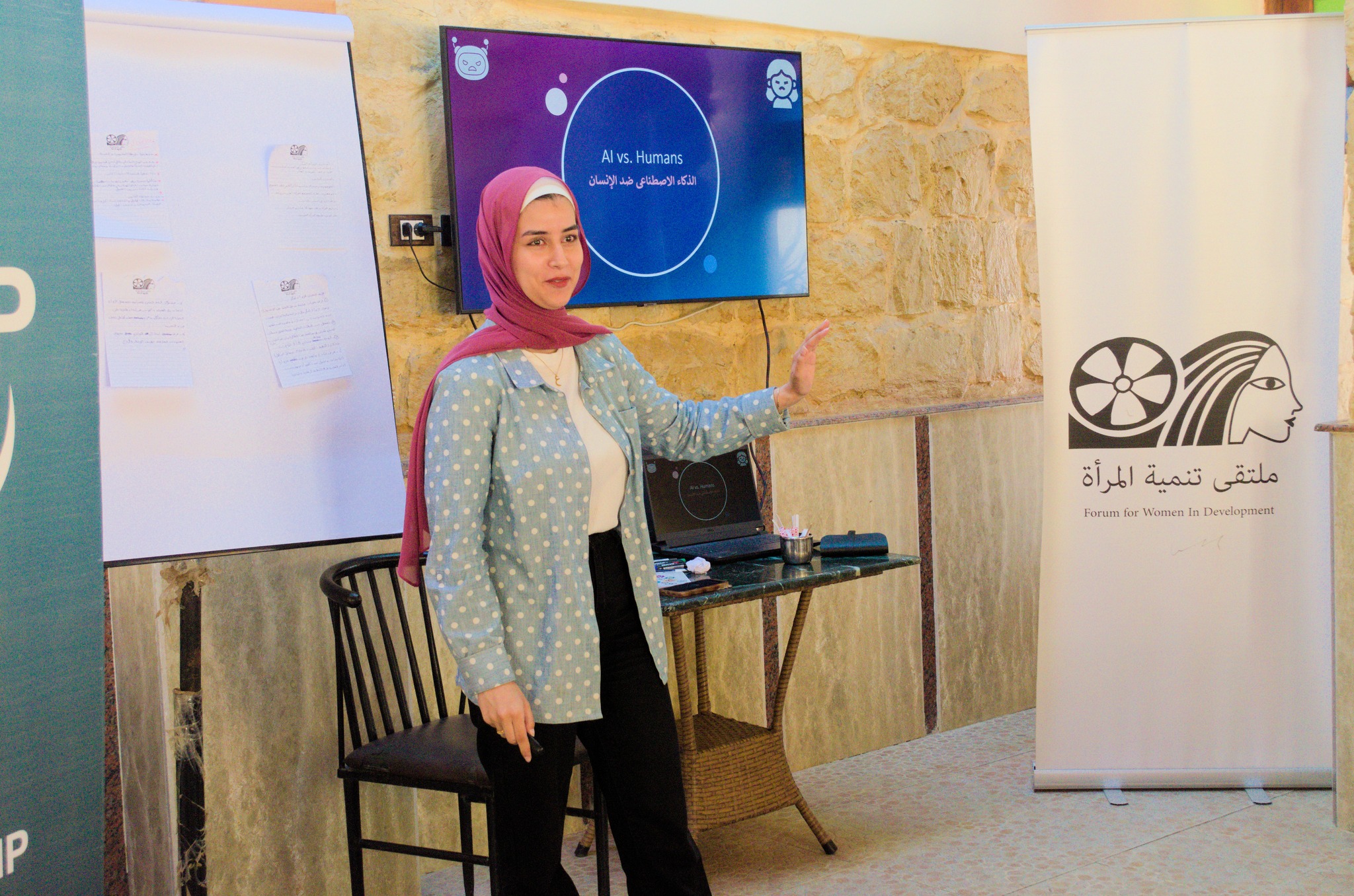
Through initiatives such as the Haqaha Rakmi: Empowering Women for Digital Justice and a Safe Digital Community campaign, FWID combines awareness-raising, capacity-building, and advocacy to strengthen women's digital participation and safety.
At the same time, FWID works with policymakers, media actors, and civil society organizations to promote broader responses to technology-facilitated violence.
By grounding advocacy efforts in community experiences and evidence, FWID helps ensure that women's perspectives inform the policies and institutions governing the digital sphere.
The goal is not simply to help individuals navigate existing systems more effectively. It is to create digital environments that are safer, more inclusive, and more responsive to the people who use them.
Toward Intergenerational Digital Justice
FWID's work has also highlighted another dimension of exclusion: differences in digital access, confidence, and participation across generations.
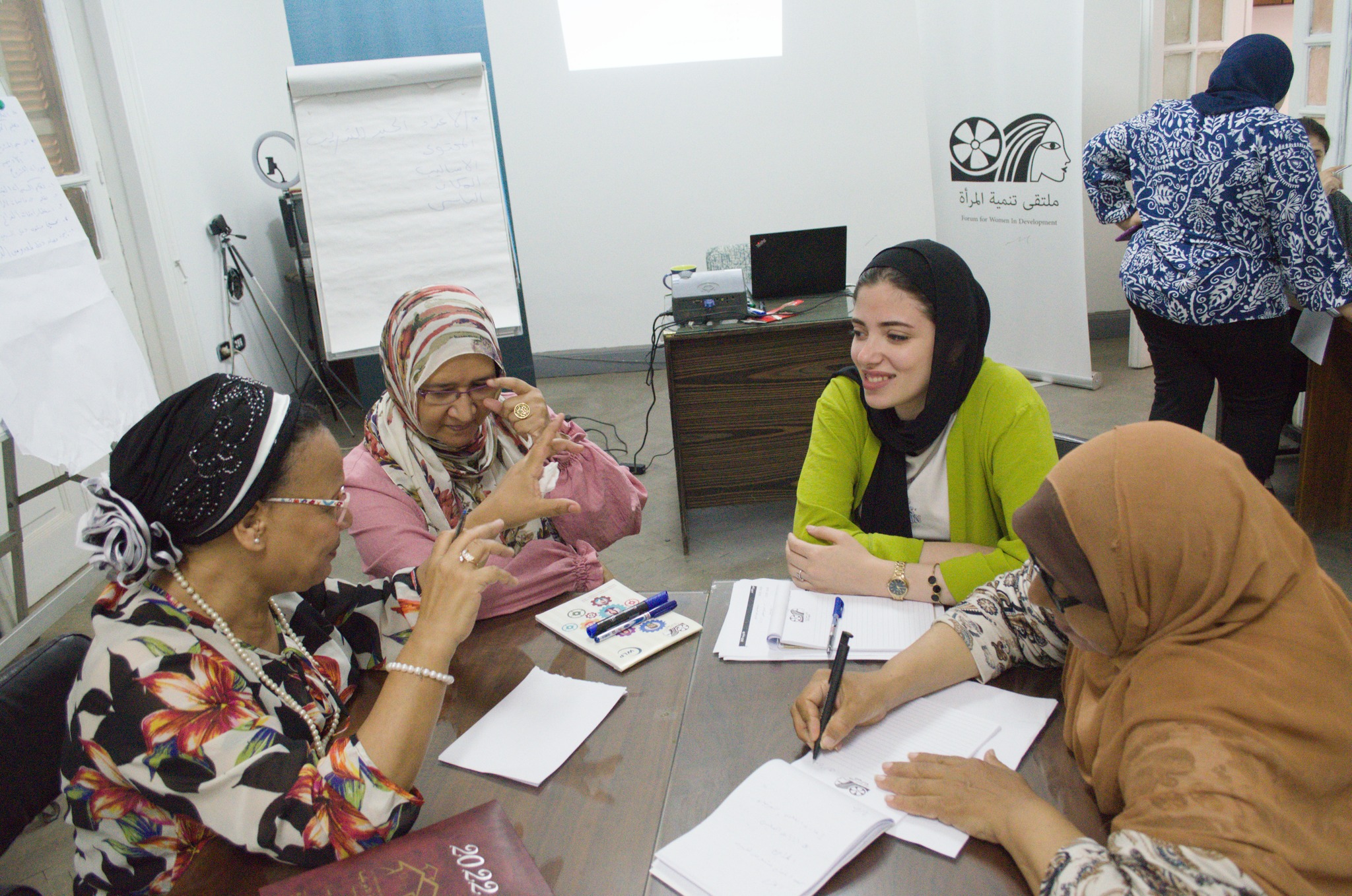
These gaps can limit opportunities for women of different ages to engage fully in an increasingly digital society.
"Defending digital justice is defending women's rights now and the rights of future generations." - Mervat Abou Tieg, Lawyer and General Secretary, FWID
In response, FWID has expanded its focus beyond women and technology to embrace intergenerational digital justice.
This approach recognizes that lasting change depends on the exchange of knowledge, leadership, and skills across generations. By creating opportunities for younger and older women to learn from one another, FWID is helping build a more sustainable and inclusive digital future.
Technology becomes not only a tool for access, but also a means of strengthening connection, participation, and collective empowerment.
A Blueprint for Feminist Infrastructure
Roads connect communities. Water systems sustain life. Electricity powers opportunity.
Digital infrastructure now plays a similarly foundational function.
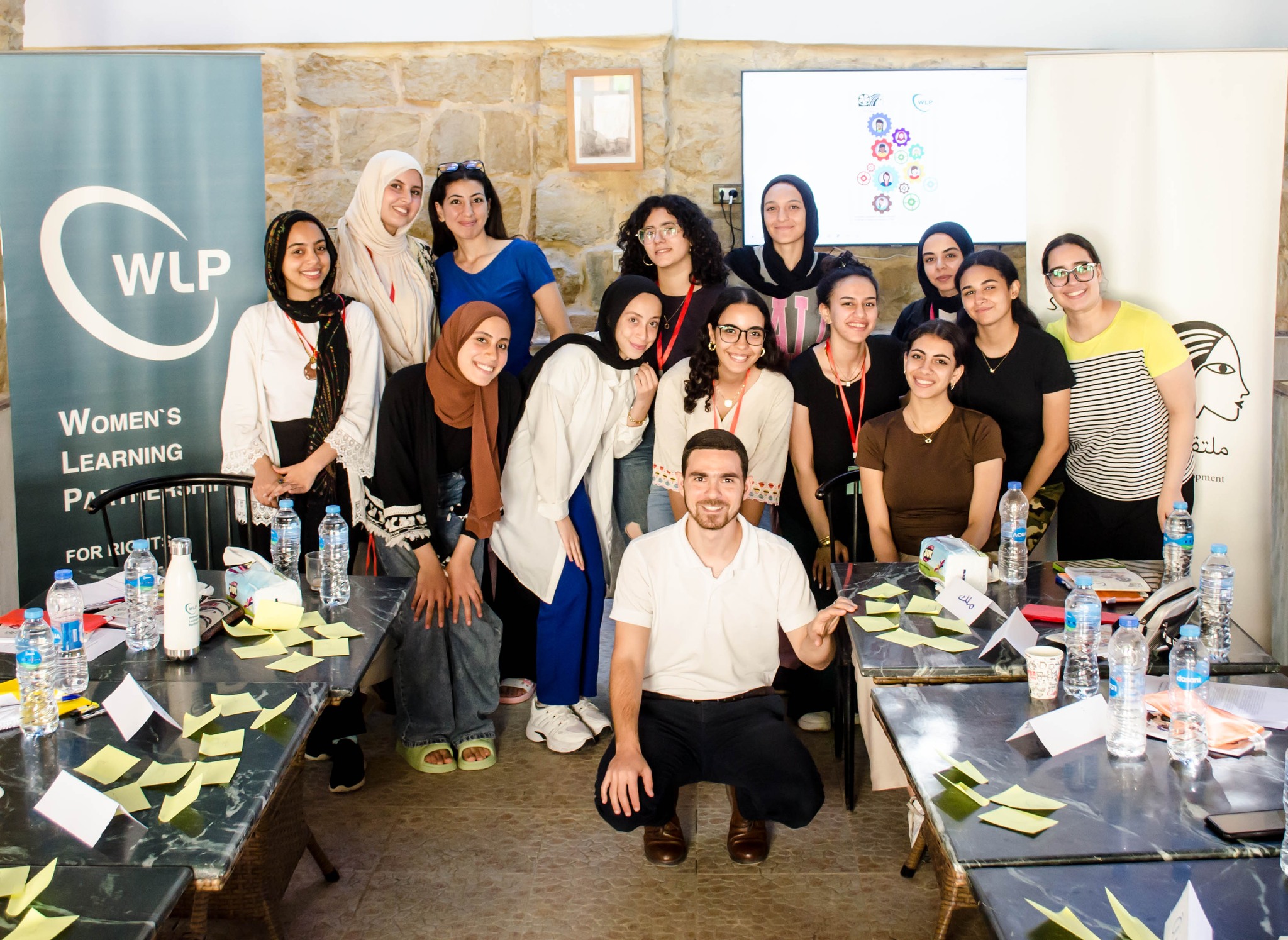
The question is no longer whether digital systems will shape our future. They already do. The challenge is ensuring that they expand opportunity rather than reinforce existing inequalities.
"How can we ensure that digital transformations do not become tools of exclusion, but pathways for empowerment?" - Dr. Ghada Tousson, Associate Professor, Faculty of Arts, Cairo University
FWID's work offers a powerful answer.
By grounding digital transformation in community knowledge, safety, participation, and rights, FWID demonstrates how more inclusive digital systems can strengthen society as a whole.
For WLP, this is feminist infrastructure in action: locally rooted, globally relevant, and designed to ensure that digital transformation advances rights, safety, and participation for all.