
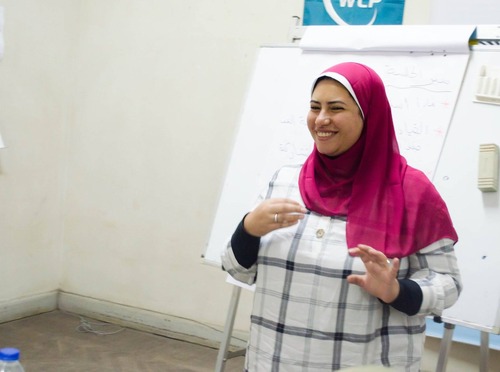
Women’s Learning Partnership (WLP) strengthens feminist leadership ecosystems, from the individual to the community to the national and cross-border levels. Our approach is rooted in co-creation with our partners, responsive to local contexts, and grounded in the belief that leadership is a shared, collective, and justice-centered practice.
Feminist leadership is not only about increasing the number of women in leadership roles. It is about advancing a qualitative shift in how power is exercised: participatory, inclusive, collaborative, and accountable. Our programs equip women with the tools, networks, and confidence to transform their communities and challenge the systems that perpetuate inequality.
Women’s Leadership
![Quote :"[After the workshop], I realized that every woman, regardless of external circumstances, can become a leader...can address social issues, help others, and lead people." - Participant, WLP leadership workshop, Kazakhstan](/sites/default/files/images/content/unnamed%20%2879%29%20%281%29.png)
Women lead most powerfully when leadership begins within their own communities.
WLP’s flagship curriculum, Leading to Choices, is a context-specific training program co-developed with partners and translated into 20 languages. Through real-life narratives, interactive exercises, and participatory learning, women gain practical skills in communication, consensus-building, and collective problem-solving.
Each year, WLP and its partners conduct hundreds of workshops and Training of Trainers Institutes (TOTs), strengthening local leadership networks. In these interactive spaces, women engage in dialogue, practice leadership and rights-based skills, and challenge limiting social norms. Many participants return as trainers, multiplying impact across villages, cities, and regions.
Through mentoring, peer-to-peer learning, and intergenerational exchange, WLP cultivates a vibrant ecosystem of community leaders who drive long-term feminist transformation.
Political Participation
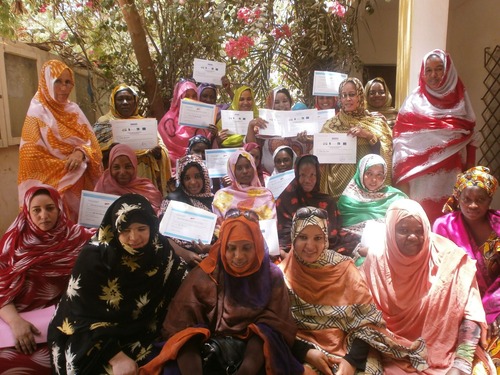
Democracy is only possible when women fully participate in decision-making. Across the Global South, however, women continue to face gendered barriers: restrictive norms, unequal access to education, limited mobility, and political violence.
WLP works to dismantle these barriers by equipping women with the skills and networks needed to participate fully in public life beyond quotas and token roles. Our programs prepare women to:
- run effective campaigns
- build coalitions and engage supporters
- develop and analyze policy
- mobilize communities and advocate for change
Our political participation handbook, Leading to Action, available in 12 languages, has helped thousands of women become candidates, organizers, campaign managers, and active voters.
WLP alumni are now serving in elected office, leading civil society organizations, and taking up influential roles in their communities, demonstrating the power of feminist leadership to renew and strengthen democratic processes.
Rights, Justice & Social Change
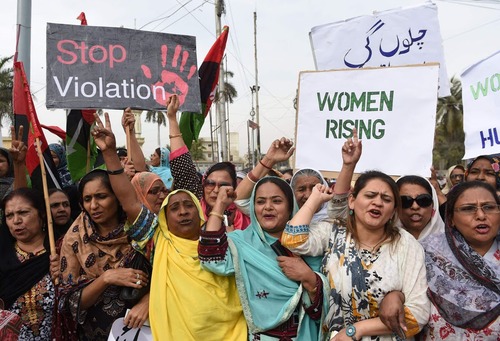
Feminist leadership is rooted in the belief that all people deserve dignity, equality, and freedom. This makes human rights work a central pillar of feminist leadership, where leadership moves beyond personal empowerment to structural transformation.
WLP supports communities as they challenge discrimination, transform laws, and build gender-just systems. Through culturally grounded workshops, films, publications, and community-led advocacy, we help women become skilled rights educators, coalition builders, and change-makers.
Across our network, partners lead campaigns on:
- Violence against women
- Family law reform
- Climate justice
- Economic justice
- Political rights and protection of women human rights defenders
Several WLP partners serve as Regional Hubs, coordinating cross-border advocacy and strengthening collaboration with affiliated CSOs, lawyers, religious leaders, media actors, and youth organizers.
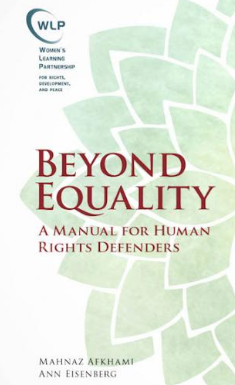
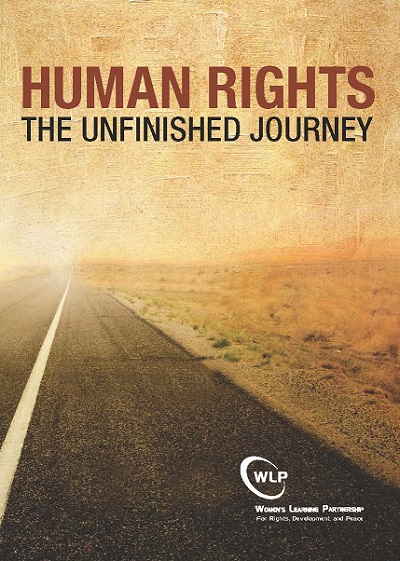
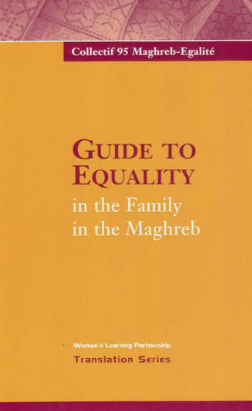
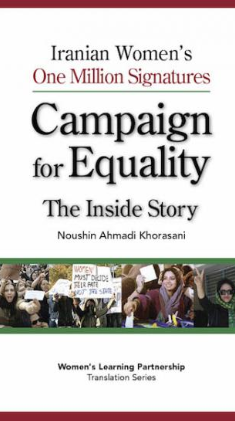
By connecting local action to global solidarity, WLP helps women translate knowledge into power, and power into justice. Explore some of our human rights resource below:

Women’s Economic Rights and Opportunities
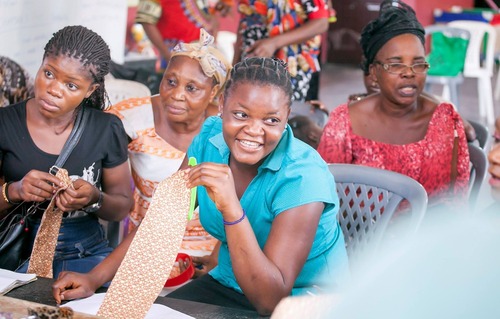
Economic independence is a cornerstone of feminist leadership. When women control resources and generate income, they gain the power to make decisions, challenge discrimination, and contribute to community well-being.
WLP supports women’s economic empowerment through:
- Advocacy & Policy Change: advancing gender-responsive labor laws, equal pay, and fair employment
- Capacity Building: supporting financial literacy, vocational training, livelihood skills, and leadership development
- Norms Change: challenging stereotypes and expectations that restrict women’s participation in the economy
Our joint campaigns across the Global South have expanded women’s access to banking, credit, jobs, entrepreneurship, and sustainability.