
The laws that govern marriage, divorce, inheritance, and property ownership can determine whether women are able to build assets, access credit, start businesses, recover from divorce, or achieve long-term financial security. Yet family law is often overlooked in conversations about economic equality and development.
A new policy brief from the World Bank's Women, Business and the Law at the World Bank Group, Equality Now, and the Global Campaign for Equality in Family Law (GCEFL) makes a compelling case: family law is foundational economic policy. Drawing on case studies from Chile, Kenya, Malaysia, Morocco, and Nepal, Unlocking Women's Economic Rights through Family Law Reform demonstrates how laws governing marriage, divorce, inheritance, and property shape women’s bargaining power, access to capital, ability to invest, and long-term economic security.
When women have unequal rights to inherit property, access marital assets, or retain economic security after divorce, the consequences extend far beyond the family. These barriers can limit access to education, entrepreneurship, employment, housing, and long-term financial independence. Conversely, when women enjoy equal rights within families, they gain greater bargaining power, stronger economic security, and increased opportunities to invest in themselves, their families, and their communities.
Women’s Organizations are Key to Combatting Legal and Social Barriers to Reform
One of the report's most important findings is that meaningful family law reform is driven by sustained advocacy and strategic mobilization by women’s rights organizations. Across all five case studies, feminist movements, civil society coalitions, and legal experts worked over many years to bring issues traditionally viewed as "private" into public policy discussions. Their efforts demonstrate that discriminatory family laws are not simply private legal matters, but structural barriers to women’s economic security and equal participation.
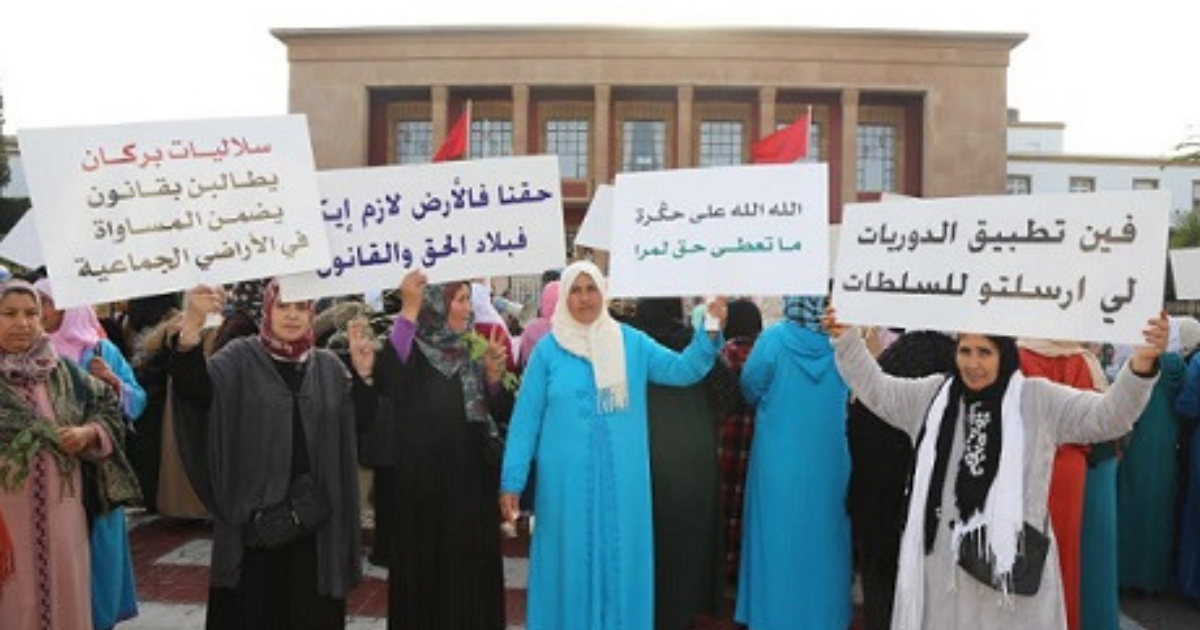
The Morocco case study illustrates this dynamic particularly well. Developed with contributions from the Democratic Association of Women of Morocco (ADFM), a longtime WLP partner and member of GCEFL, the case reflects the kind of sustained nationally led advocacy that WLP’s partnership model has supported for more than two decades. It examines how advocates have elevated marital property and inheritance rights as central issues in Morocco’s ongoing Family Code reform, highlighting how unequal access to marital assets can leave women economically vulnerable after divorce. In doing so, the case reinforces the report’s broader finding that family law plays a critical role in shaping women’s economic security and opportunity.
Family Law Reform Requires Collective Action
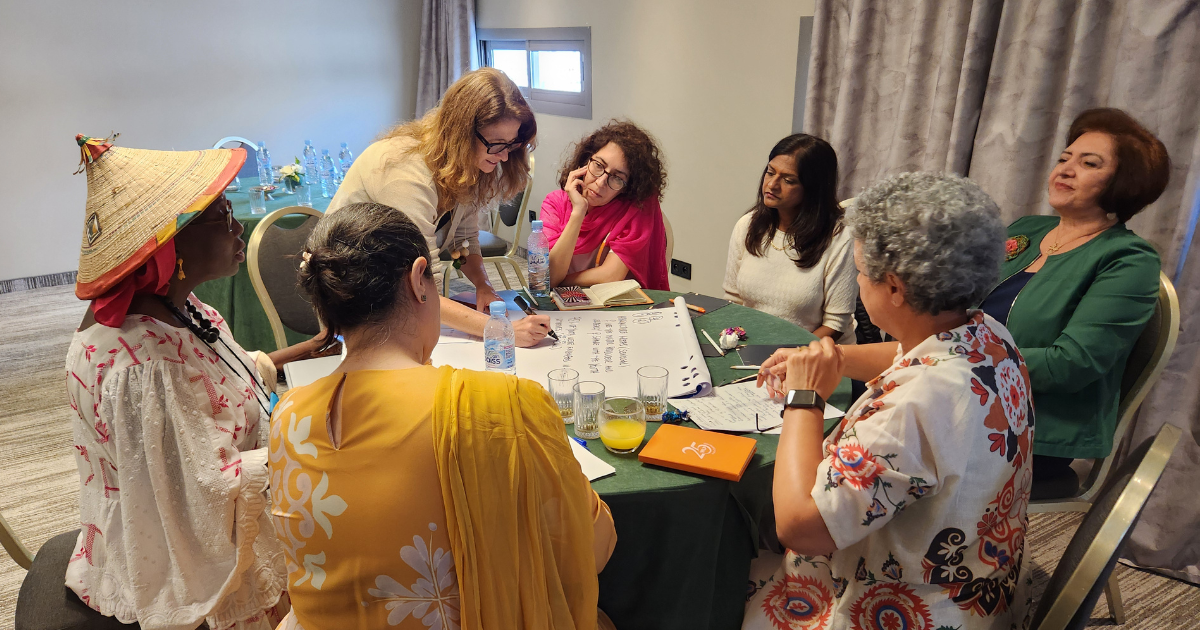
For more than twenty-five years, WLP has worked to advance legal reform, strengthen women's leadership, and build public support for more equitable family laws across diverse legal and cultural contexts. As a member of the Coordinating Committee of the GCEFL, WLP works alongside global, regional, and national partners to advance equal rights within families and strengthen the legal foundations for women’s equality. Our collective work highlights the unmistakable truth that family law shapes far more than family relationships. It influences women’s access to resources, their ability to make decisions, and their opportunities to participate fully in economic, civic, and political life.
The report’s findings reinforce an important lesson we’ve learned from decades of partnership among women’s rights organizations around the world: legal reforms are most transformative when they are accompanied by sustained leadership, movement building, and efforts to shift social norms that shape women’s lives.
The Path Forward
As governments, advocates, and development institutions seek solutions to persistent gender and economic inequalities, this brief offers compelling evidence that equality within families is fundamental to women’s economic rights and broader social progress. Read the full brief to explore how family law reform can expand women’s economic opportunities and the role that sustained advocacy plays in making reform possible.