
In November 2025, the 30th Conference of the Parties (COP30) was held in Belém, Brazil, bringing governments and stakeholders together for the United Nations’ preeminent climate change conference. Yet after three decades of high-level climate negotiations, the world remains on a rapid trajectory toward multiple ecological tipping points that threaten the world as we know it.
So we posed a new question: what does climate leadership look like when it is guided by lived reality – rather than negotiated agreements and unkept promises?
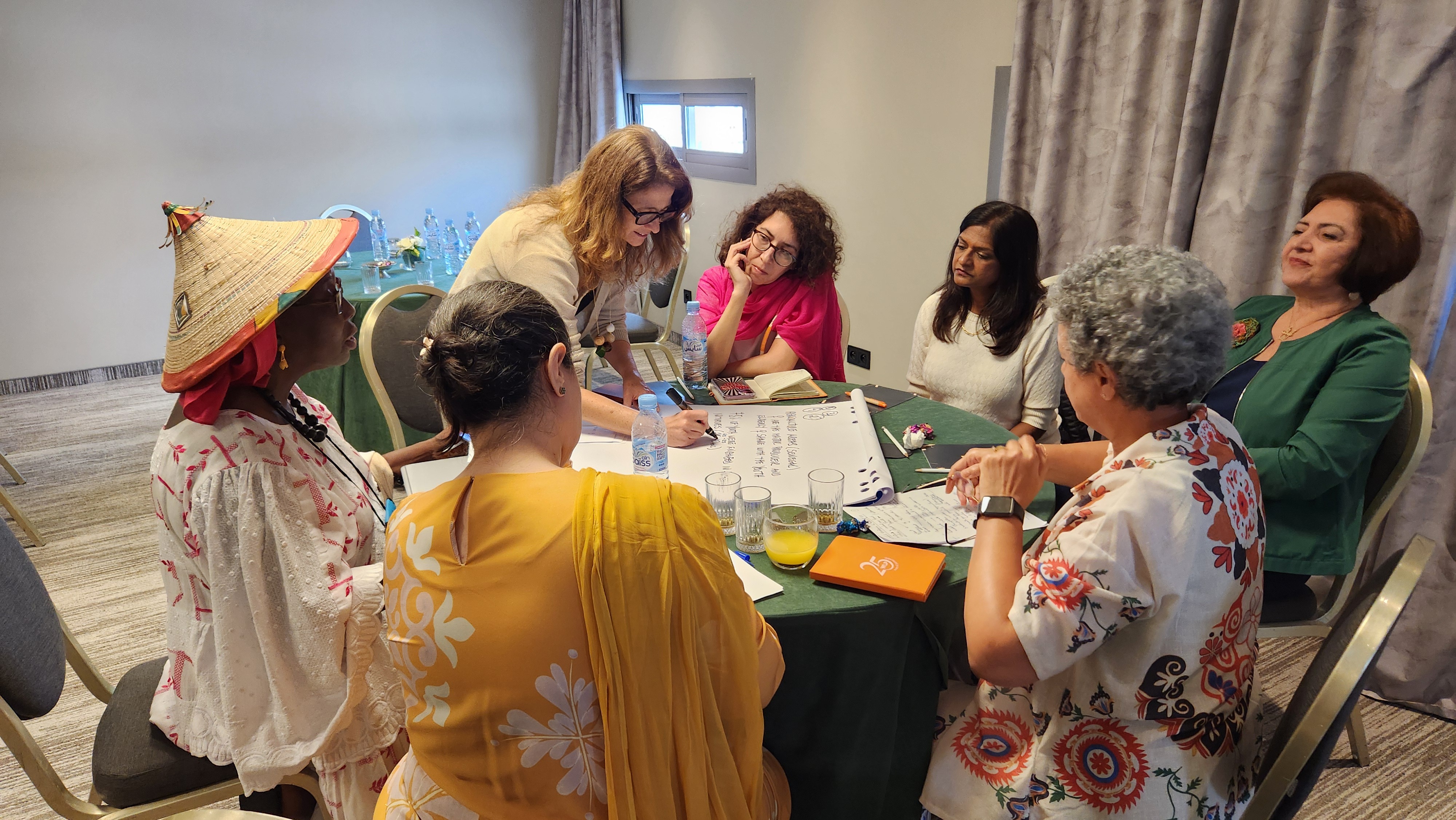
In February 2026, Women’s Learning Partnership (WLP) and Project Dandelion convened around twenty women and gender-diverse leaders from across the Global South to explore this question. The intergenerational dialogue brought together youth activists, Indigenous knowledge holders, rural organizers, policy experts, and feminist leaders in a space designed to center lived experience and shared authority.
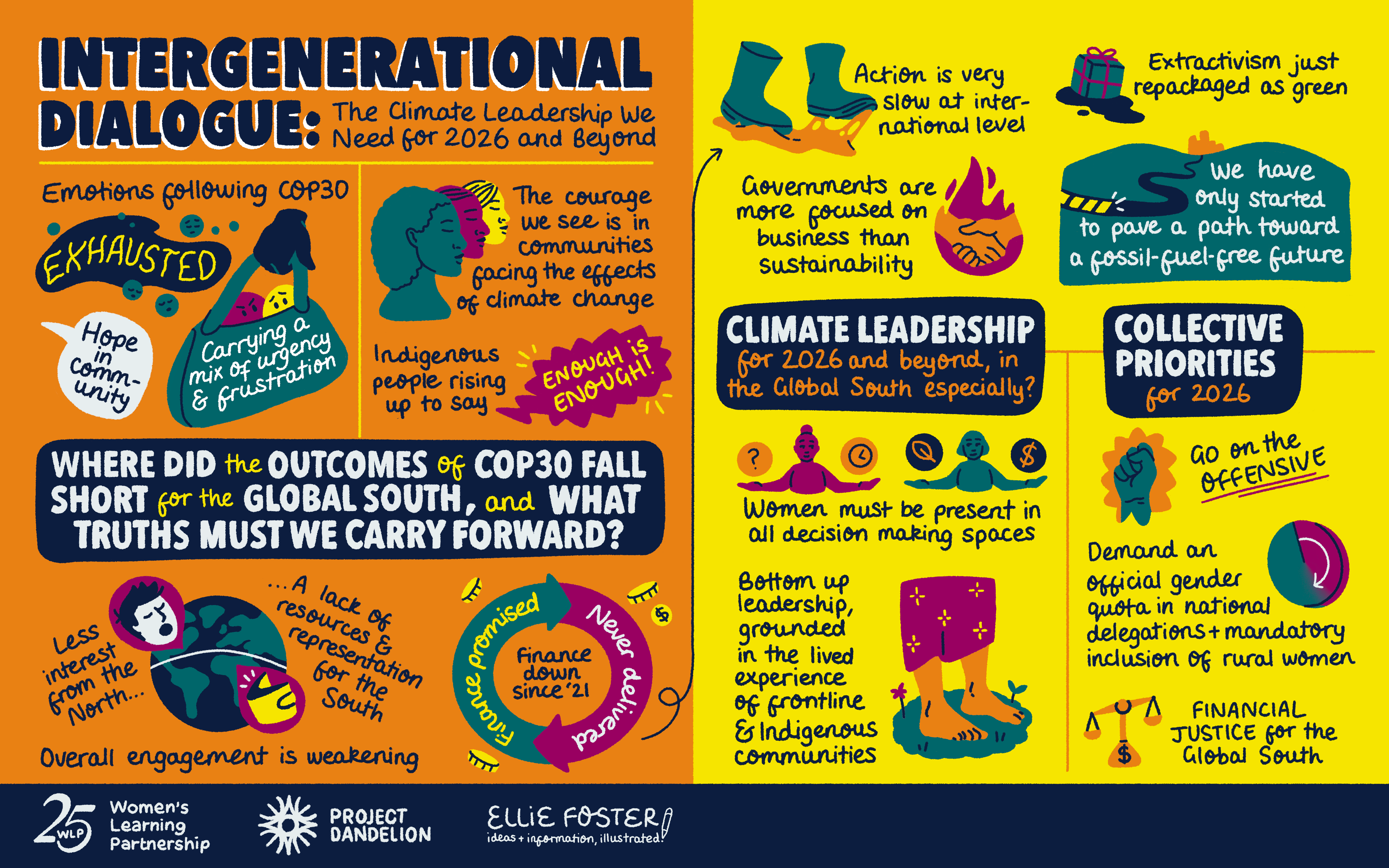
Key insights from the intergenerational dialogue, illustrated live during the session by Ellie Foster.
Climate Reality Through a Global South Lens
Across regions, communities are navigating prolonged droughts, devastating floods, forced migration, declining agricultural productivity, and rising food insecurity. These impacts are not evenly distributed — they are mediated by inequality, gendered labor roles, and structural exclusion from decision-making.
While COP30 included important developments — such as growing recognition of rights-based approaches, increased attention to adaptation finance, and strong Indigenous mobilization — structural gaps remain. Commitments to phase out fossil fuels continue to weaken, climate finance falls short of need, and implementation pathways lack clarity.
Recognition is increasing. Redistribution of power and resources is not keeping pace.
“Progress cannot only be measured by commitments, but by real changes on the ground.”
– Dialogue Participant
Where Climate Leadership is Already Happening
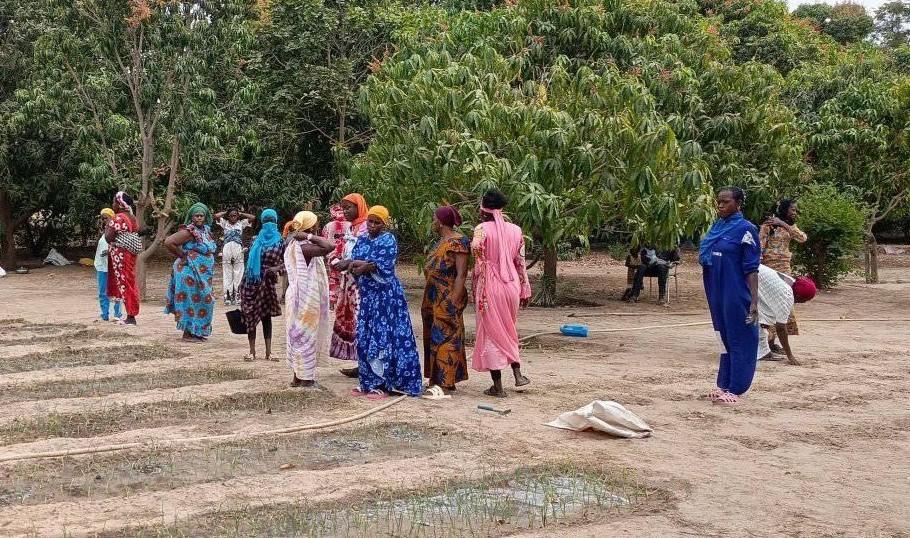
While governments continue to fall short of their environmental obligations, transformative climate leadership is not waiting for international consensus. It is already underway in local communities.
Women, Indigenous groups, and youth are shaping solutions — adapting crops in drought-prone regions, defending land from extractive industries, building climate literacy and accountability movements, and advocating for inclusion in national processes.
Frontline communities are not only responding to crisis; they are designing systems of resilience, sustaining livelihoods, and advancing justice. Hope is not about optimism. It is about discipline: the conscious decision to continue building solutions despite constrained systems.
Leadership for the Years Ahead
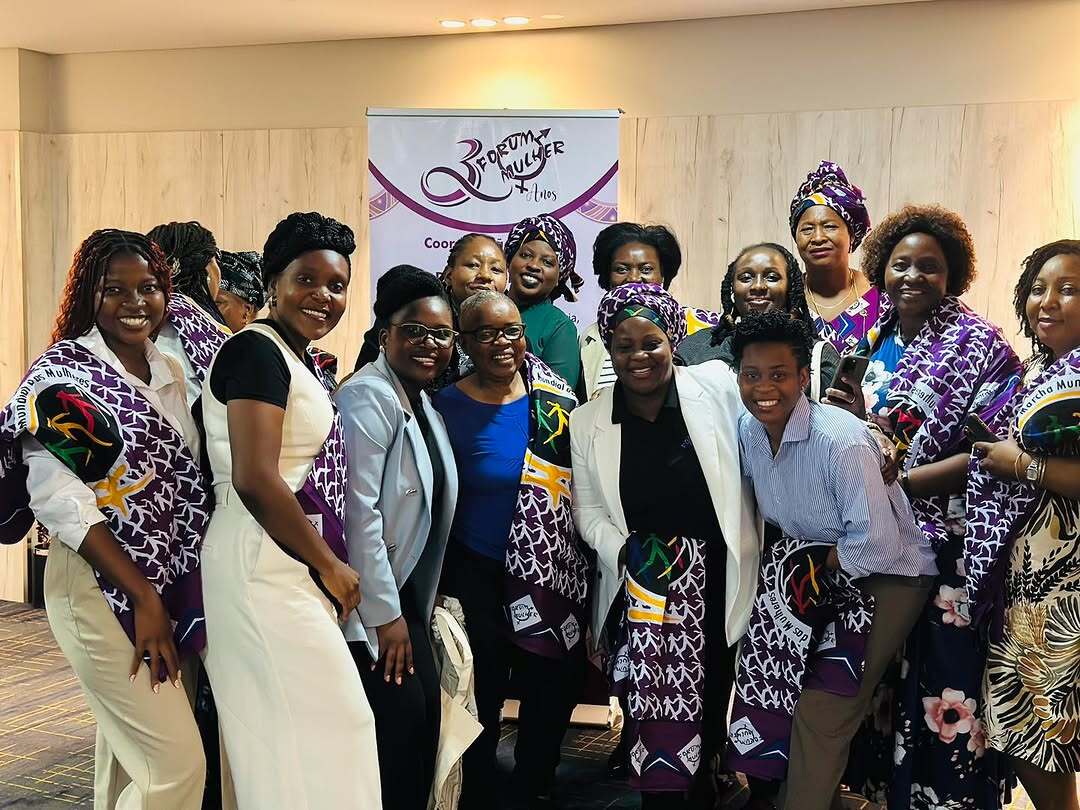
The leaders best suited to guide us into a more sustainable future are already here. It is time to recognize them and provide the necessary resources to implement the solutions that are long overdue. Going forward, climate leadership must be:
- Rooted in lived experience: Climate strategies must be grounded in the realities of those most affected. Adaptation cannot become a technical exercise detached from survival; it must center dignity, justice, and locally driven solutions.
- Structurally inclusive and accountable: Representation alone is insufficient. Effective leadership requires meaningful participation from frontline actors, alongside clear accountability for governments and institutions. The challenge of this decade is not making new commitments, but delivering on existing ones.
- Built through intergenerational collaboration: Rather than passing leadership from one generation to the next, successful climate action must be co-created across generations where both young activists and established leaders share power, create space, and learn from one another.
“Visibility without decision-making power reproduces structural inequality rather than correcting it.”
– Dialogue Participant
Modeling a Different Way
The dialogue itself reflected the kind of leadership it called for. In contrast to traditional climate spaces that prioritize hierarchy and technical authority, this space was intentionally structured to redistribute voice.
Community organizers spoke alongside policy practitioners. Youth perspectives carried equal weight with decades of institutional experience. Rural and Indigenous knowledge were treated as foundational. Lived experience was not supplementary — it was the starting point.
This approach generated not only insight, but expression: a visual illustration capturing collective themes, a synthesis of shared priorities, and a poem shaped from participants’ closing reflections.
Hope refusing to dim.
Boldness in the spine.
Courage in the throat.
Power in our hands.
Hope, not as a wish,
but as a practice.
-Jessica Molander